Sep 20, 2026China Sourcing & Logistics Hub
Why Global Fashion Labels Choose Shenzhen as Their Product Development & Supply Chain Hub
An inside look at how Shenzhen and the Greater Bay Area provide unmatched prototyping velocity, specialized hardware clusters, and global logistics efficiency for modern fashion brands.

When global fashion brands evaluate production ecosystems in Asia, the conversation increasingly moves beyond low-cost labor toward prototyping agility, engineering precision, and supply chain integration.
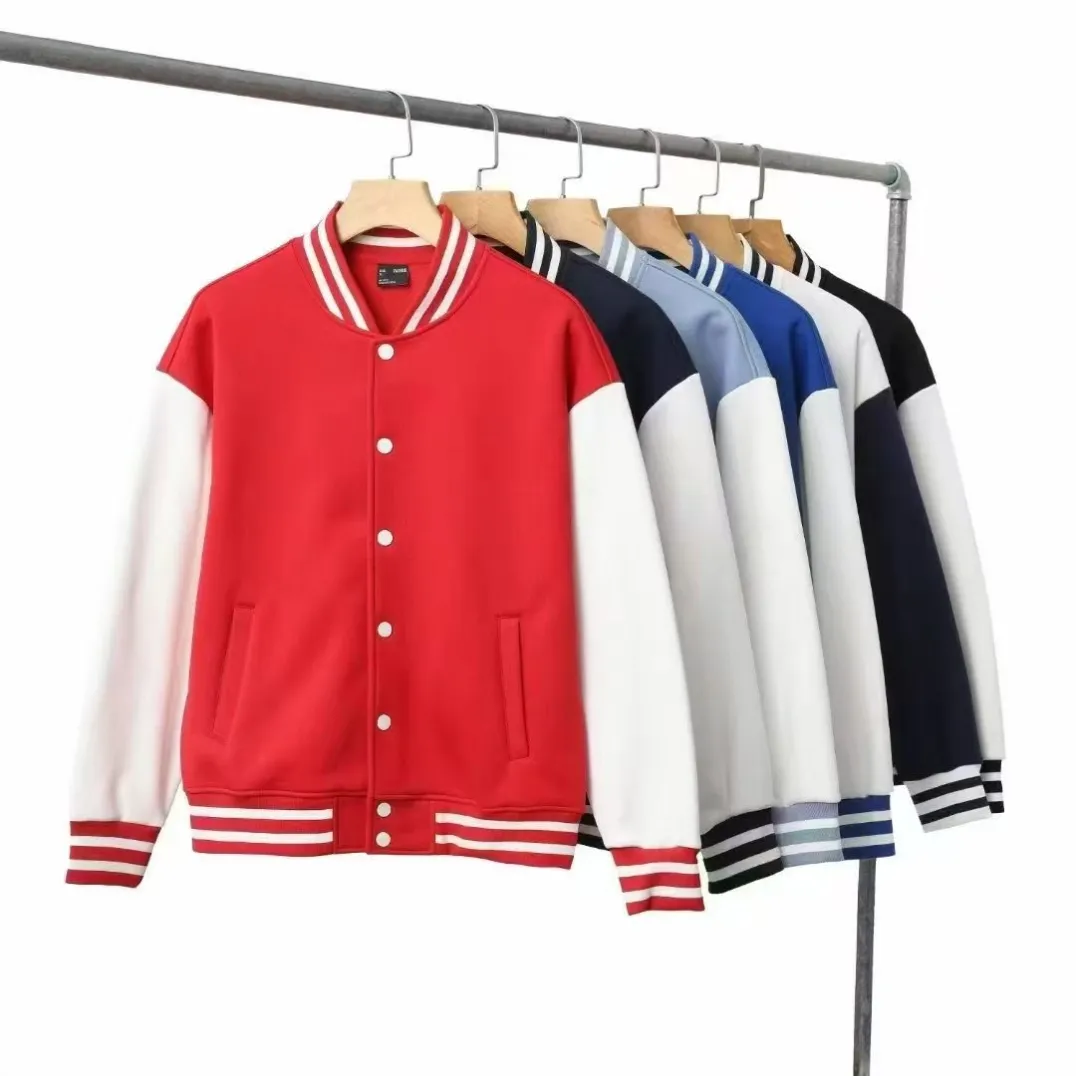
Shenzhen and the surrounding Pearl River Delta (Greater Bay Area) have evolved into the world's most responsive hub for high-complexity fashion accessories, premium leather goods, and custom apparel development.
1. Unrivaled Prototyping Speed and Cluster Proximity
The Greater Bay Area concentrates the entire fashion manufacturing lifecycle within a two-hour logistics radius:
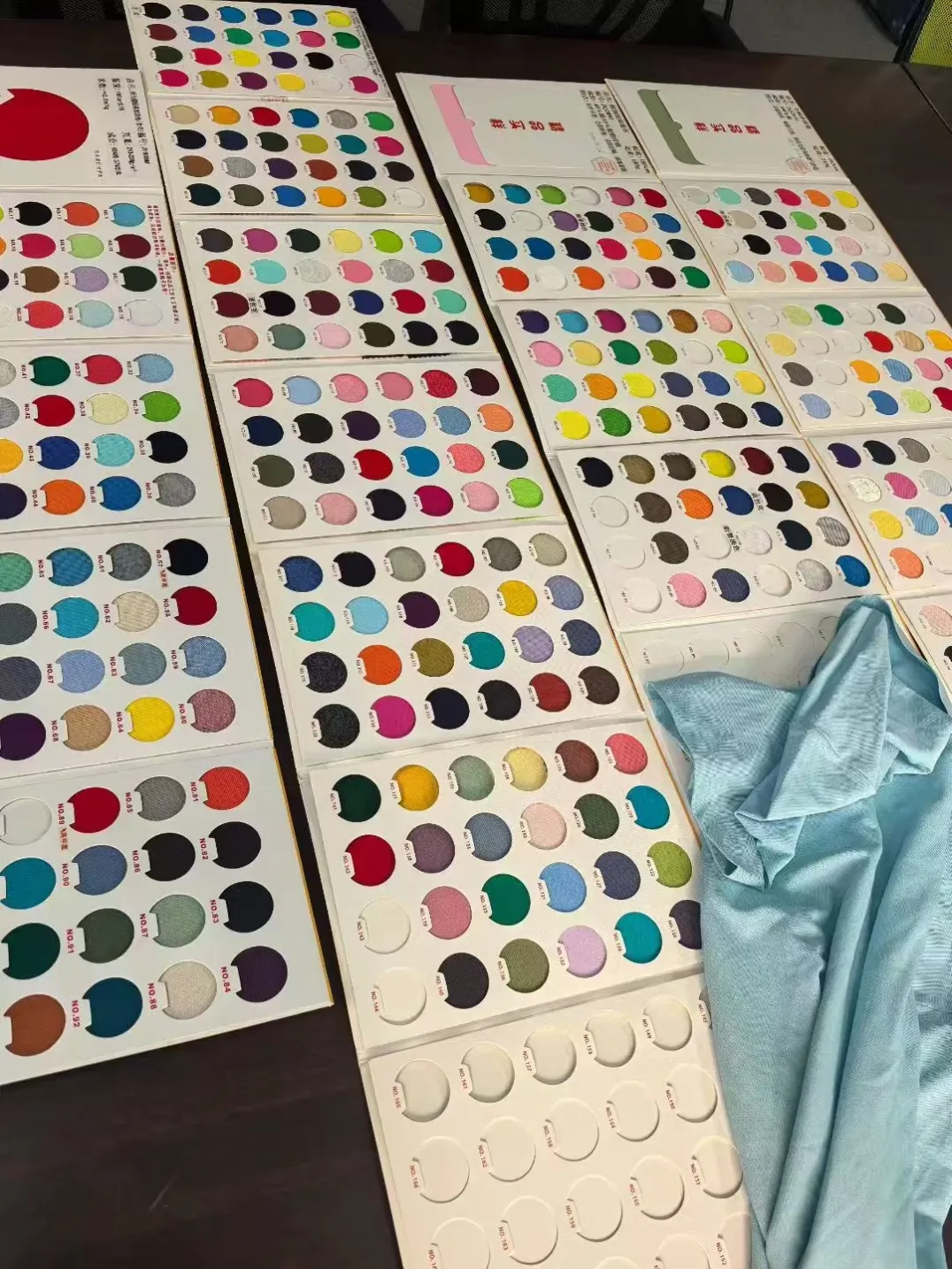
- Raw Material Availability: From high-grade leathers in Shiling to specialized technical textiles and sustainable trims in Zhongshan and Dongguan, physical material swatches can be retrieved and tested in a matter of hours.
- Rapid Prototyping (7–10 Days): Instead of waiting weeks for sample iterations from disconnected suppliers, pattern adjustments, hardware fitment, and initial samples are turned around within days.
2. High-Precision Hardware & Tooling Ecosystem
Unlike regions that rely solely on standard off-the-shelf components, Shenzhen's deep industrial heritage enables bespoke tooling for metal accessories, handbag locks, and jewelry:
- High-precision CNC milling, custom die-casting, and advanced vacuum PVD electroplating facilities operate in immediate coordination with assembly workshops.
- This density allows emerging labels to develop proprietary branded hardware with lower initial mold investments and verified anti-tarnish performance.
3. Japanese-Grade Quality Discipline Meets Export Logistics
Proximity to Hong Kong and direct access to Shenzhen’s deep-water ports (Yantian and Shekou) streamline international freight:
- Rigorous Quality Standards: Longstanding production relationships with discerning retail markets, such as Japan, have established rigorous defect-prevention benchmarks across local manufacturing lines[cite: 1].
- Multimodal Transit: Finished goods move seamlessly from factory floor inspections to air freight dispatch or ocean container consolidation, reducing transit times to North American and European fulfillment centers.
The Advantage of an On-Site Supply Chain Partner
Navigating this vast ecosystem independently often exposes overseas brands to cultural communication barriers, inconsistent quality tiers, and unmonitored lead times.
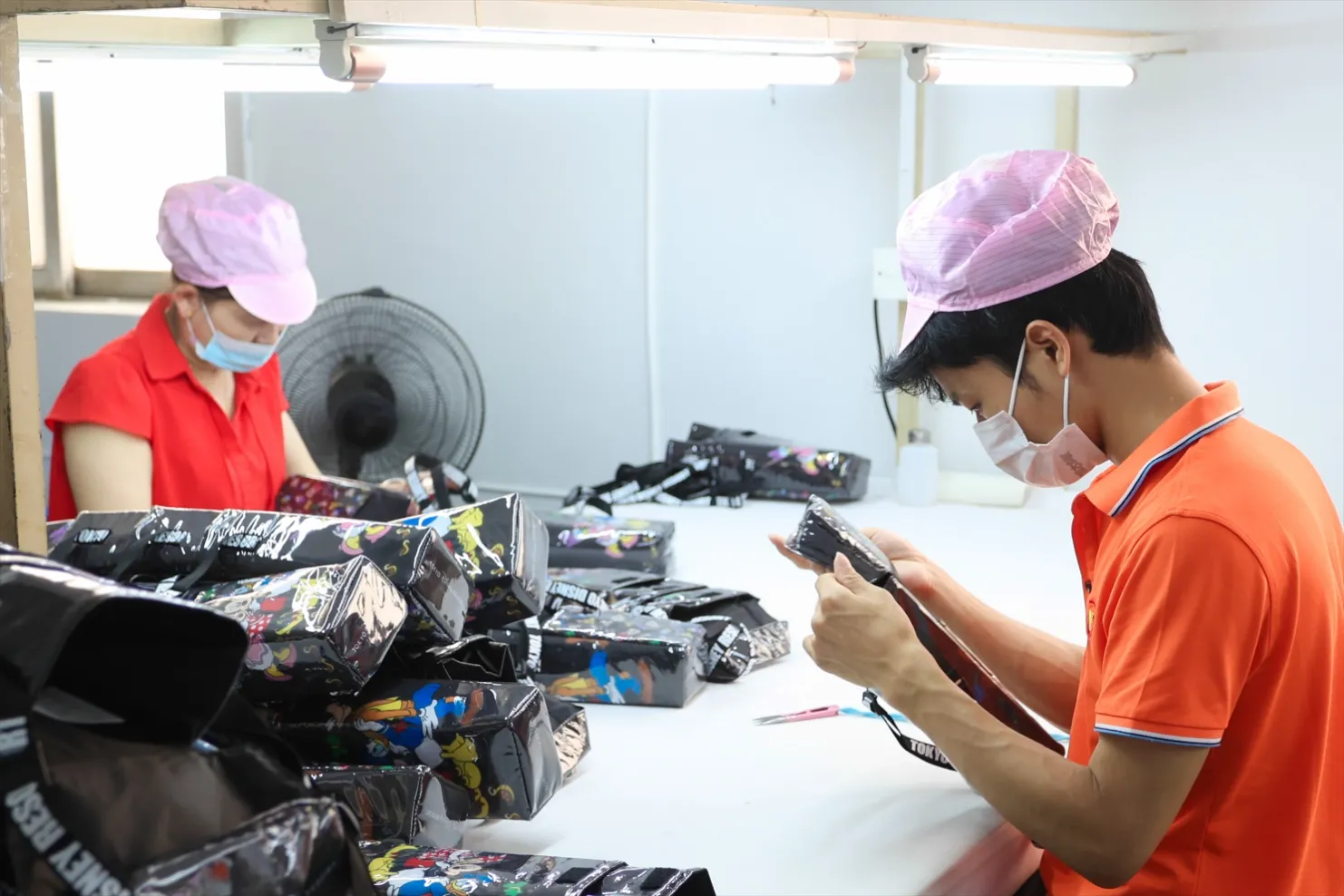
By basing our engineering, prototyping, and inspection operations directly on the ground in Shenzhen, we provide international brands with hands-on factory floor representation—turning design ambitions into consistent, retail-grade collections.