Sep 20, 2026China Sourcing & Logistics Hub
Navigating Low-MOQ Fashion Manufacturing in China: How to Avoid Hidden
How independent brands can successfully negotiate 300–500 pcs MOQs, validate technical tech packs, and control prototype costs across bags, jewelry, and apparel.
One of the most persistent bottlenecks for emerging fashion labels and independent designers is minimum order quantity (MOQ) requirements[cite: 1]. Large-scale assembly plants typically demand 1,000 to 3,000 pieces per colorway, while low-barrier wholesale brokers often deliver inconsistent, uninspected goods.
Securing flexible manufacturing runs between 100 and 300 pieces per style without sacrificing factory-grade craftsmanship requires a structured, engineering-first approach[cite: 1].
1. Understanding What Truly Drives Factory MOQs
Factories rarely set high MOQs out of inflexibility; minimums are dictated by underlying raw material supply chains:
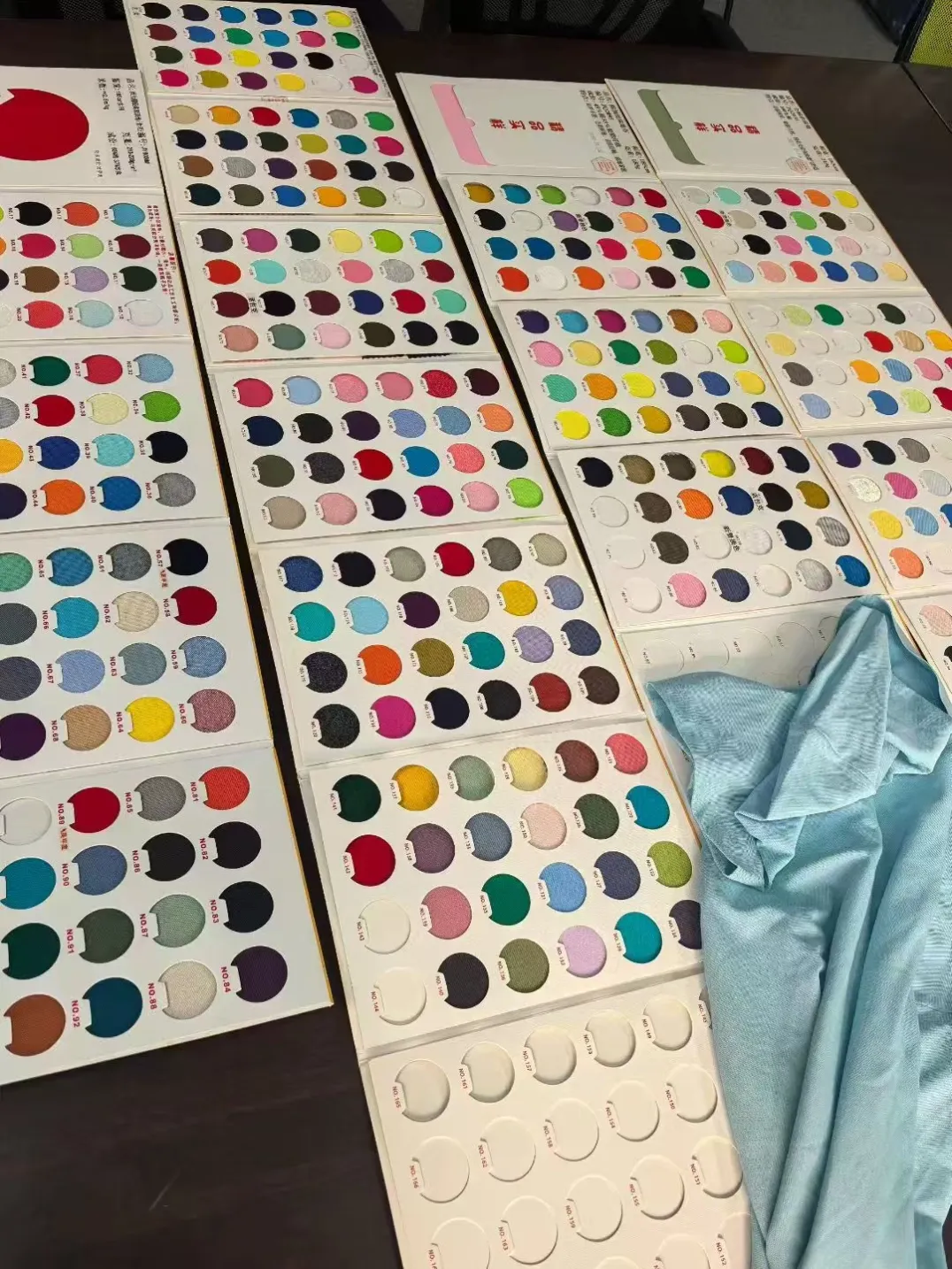
- Custom Fabric & Leather Dyeing: Standard tannery and textile dye vats require minimum batch weights (often 300–500 meters of fabric or 1,000 square feet of leather). To achieve low MOQs, we guide brands toward curated, high-grade stock-supported leathers and greige fabrics that can be customized via specialized washing or printing.
- Custom Metal Hardware Tooling: Dedicated mold casting carries fixed setup costs. For small-batch runs, we utilize modular molds or laser-engrave proprietary logos onto existing precision-cast blanks to avoid expensive initial tooling charges.
2. The 7–10 Day Prototyping Framework
A rapid physical sample is essential to uncover Design for Manufacturability (DFM) issues before committing capital:
- Bypassing Incomplete Tech Packs: Overseas buyers often submit non-standardized sketches. We convert these into industrial CAD patterns, complete with precise stitch-per-inch (SPI) formulas, material grading rules, and seam allowances.
- Pre-Production (PP) Approval: Bulk material cutting never begins on verbal confirmation. A physical PP sample utilizing exact production-run trims and fabric is evaluated and sealed against Japanese retail inspection criteria[cite: 1].
3. Why Ground-Level Representation Matters
Attempting to coordinate low-MOQ production remotely across multiple fragmented workshops frequently leads to missed deadlines and quality fade:
- Factory-floor technicians prioritize large-volume orders unless an on-site team is actively monitoring the daily milestone schedule.
- Having dedicated quality control engineers conduct 100% pre-shipment inspections ensures that every unit in your 150-piece drop meets the exact standard of the approved sample[cite: 1].
By positioning our technical team directly within the Greater Bay Area manufacturing network, we provide overseas brands with the flexibility of boutique sample runs backed by the discipline of industrial supply chain execution[cite: 1].