China Sourcing & Logistics Hub
Handbag DFM & Engineering: Turning Narrative into Reality | Shenzhen Workshop
How custom handbag development bridges storytelling and precision DFM engineering. Insights on leather structural physics, ergonomics, and bench precision from Shenzhen.
When Storytelling Meets Precision Engineering: Why Narrative & DFM Transform Modern Handbag Manufacturing
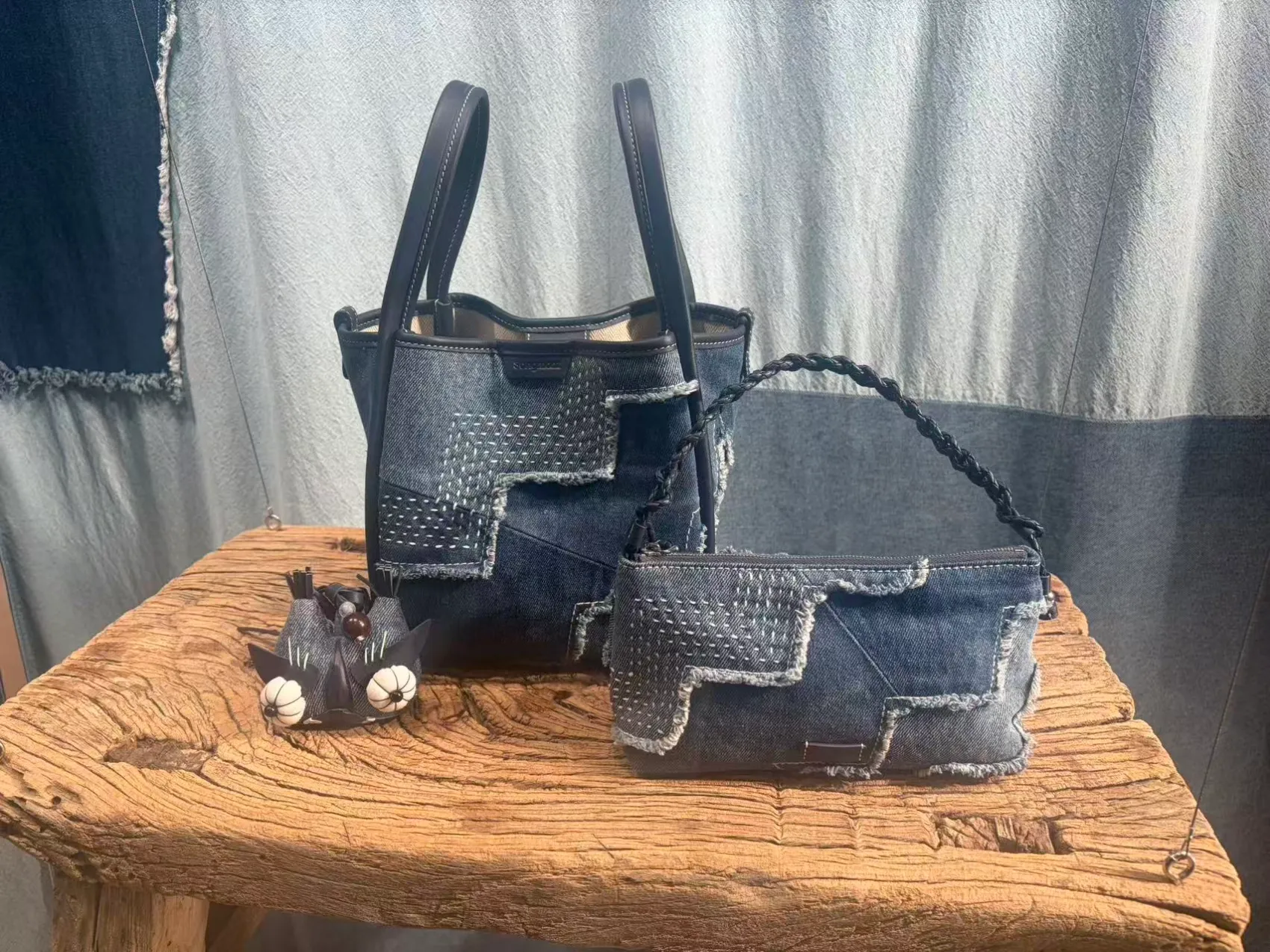
Lessons from visiting the Songmont (山下有松) flagship boutique with an international Japanese buyer—and what it reveals about luxury bag development in the Greater Bay Area.
Last week, while conducting on-site supply chain audits across the Greater Bay Area, our technical team visited the Songmont flagship boutique alongside an international partner from Japan.
Standing in that retail space, our discussion quickly shifted from commercial styling to the structural mechanics driving modern designer accessories: How do narrative identity, cultural storytelling, and ergonomic engineering transform a functional accessory into a durable, commercially scalable design object?
For decades, conventional OEM handbag manufacturing operated on a purely transactional dynamic: brands supplied a 2D tech pack, and factories stitched leather panels together.
In today's global market, utility is merely the baseline. High-growth designer labels—such as Songmont with its grandmother-inspired mending narrative, geometric drape silhouettes (notably the Wonton and Tofu models), and restrained Eastern aesthetics—succeed because every stitch, curve, and hardware pivot reinforces a central design philosophy.
Translating expressive design language into bulk production, however, demands rigorous Design for Manufacturing (DFM). When international founders ask our workshop, "Can you bring this silhouette into production?", our pattern makers and bench artisans focus on three core engineering pillars.
1. Translating Organic Metaphors into 3D Volumetric Physics
When a designer drafts organic silhouettes inspired by nature or architecture—such as dumpling pleats, bamboo nodes, or folded paper geometry—initial 2D patterns or CAD renders represent an idealized, static form.
Natural leather is a biological composite with non-uniform fiber grain, natural elongation, and directional stretch. Without engineered reinforcement, organic folds collapse under real-world use.
- Internal Skeleton Engineering: A softly draped bag cannot rely on unbacked leather; otherwise, daily cargo (phones, water bottles, tablets) will cause unsightly sagging. Our prototyping workshop designs zoned "sandwich" core layers: pairing 0.35mm0.35\text{ mm}0.35 mm skived microfibers with memory-retention EVA sheets to balance tactile suppleness with permanent structural memory.
- Volume-to-Pleat Mathematical Grading: Producing fluid, symmetrical folds around lower gussets requires micrometer-level seam step-downs. In luxury bag prototyping, a mere 0.3mm0.3\text{ mm}0.3 mm discrepancy in pattern skiving turns an intentional aesthetic drape into a bulky, distorted corner seam.
2.r Ergonomics & Kinetic Hardware Anchoring A signature hallmark of modern designer bags is kinetic versatility: transforming smoothly transforming from an architectural tote into an underarm shoulder bag or crossbody sling.
Kinetic versatility alters mechanical load distributions:
- Dynamic Drop-Load Angles: When strap rings pivot across multiple carrying orientations, tensile stress concentrates along localized eyelet edges rather than spreading across the structural seam.
- Hidden High-Tension Anchors: Clean, minimalist exteriors require mounting hardware without exposing surface rivets. We embed anchor tabs inside the composite leather layers, reinforced with cross-laminated, zero-stretch woven tape. This hidden internal construction ensures attachment anchors pass 15 kg dynamic pull and fatigue tests without distorting outer body leather.
3. Tactile Restraint: Leather Finishing & Edge Longevity
In heritage and story-driven bag design, customer engagement begins with tactile touch.
A thick, plasticized topcoat repels discerning customers; an unprotected raw hide soils within days of daily carry.
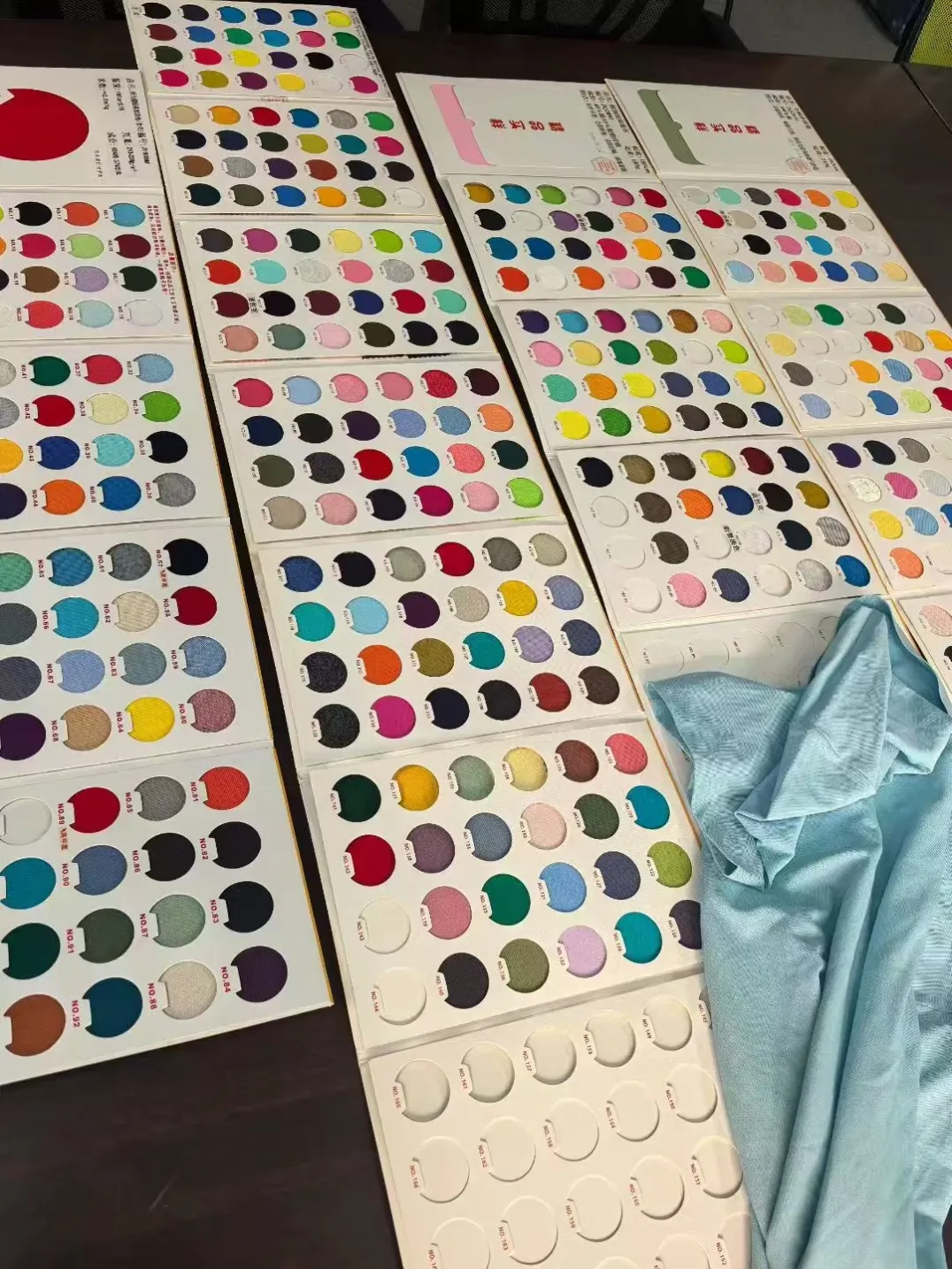
- Full-Grain Calibration: Whether engineering tumbled milled calfskins or next-generation bio-composites, top-finish formulations must deliver an unmasked, buttery hand-feel while maintaining Grade 4–5 wet/dry rub fastness against color crocking.
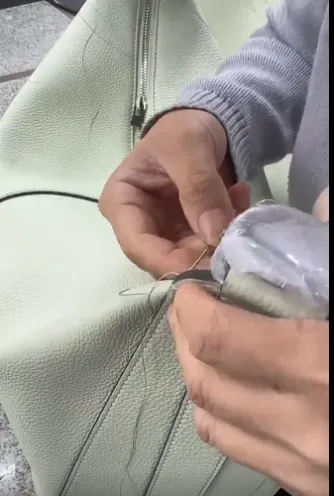
- Edge Paint as a Clean Signature Line: Bulbous, rubbery edge coating compromises an architectural edge. Achieving a crisp, heirloom-grade contour requires progressive bench passes: edge micro-skiving, multi-coat base primer applications, 600-grit bench sanding, and a flexible, matte-finish topcoat engineered to endure cross-continental temperature fluctuations without cracking.
The Manufacturer as a Technical Co-Pilot
A true manufacturing partner is never a passive assembly line.
When a designer pours their creative heritage and brand vision into a technical drawing, they do not need a cut-and-sew supplier who only asks for a target price point.
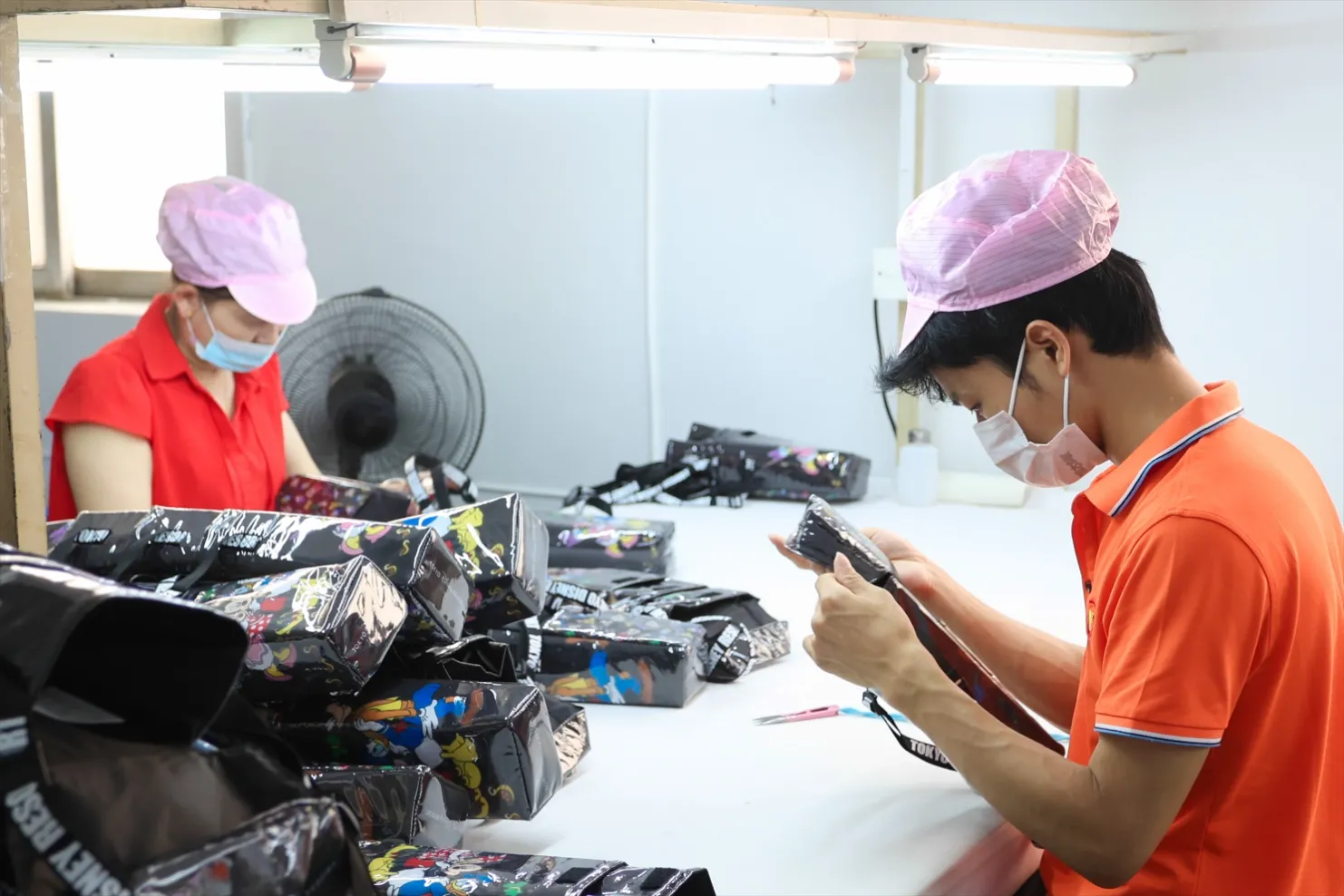
They need an engineering co-pilot—a development workshop that comprehends the emotional intent of the collection and deploys precise pattern grading, internal skeleton engineering, and bench craft to turn that vision into a durable, scalable product run.
Storytelling gives a bag its soul. Precision manufacturing gives it permanence.
Written from our prototyping workshop and technical sample room in Shenzhen / Greater Bay Area, where international design concepts meet precision leather craftsmanship.
Looking to develop your next luxury accessory collection?
Submit your design files or tech pack specifications to our engineering team to review material selection, structural reinforcement, and prototyping lead times.