Sep 20, 2026Manufacturing Insights
Sourcing Knitwear & Sweaters from the Greater Bay Area: A Buyer’s Guide to Gauges, Yarns, and QC
An engineer’s breakdown of sweater gauges (3GG to 14GG), linking methods, yarn pilling prevention, and how to source knitwear through Guangdong’s specialized textile clusters.
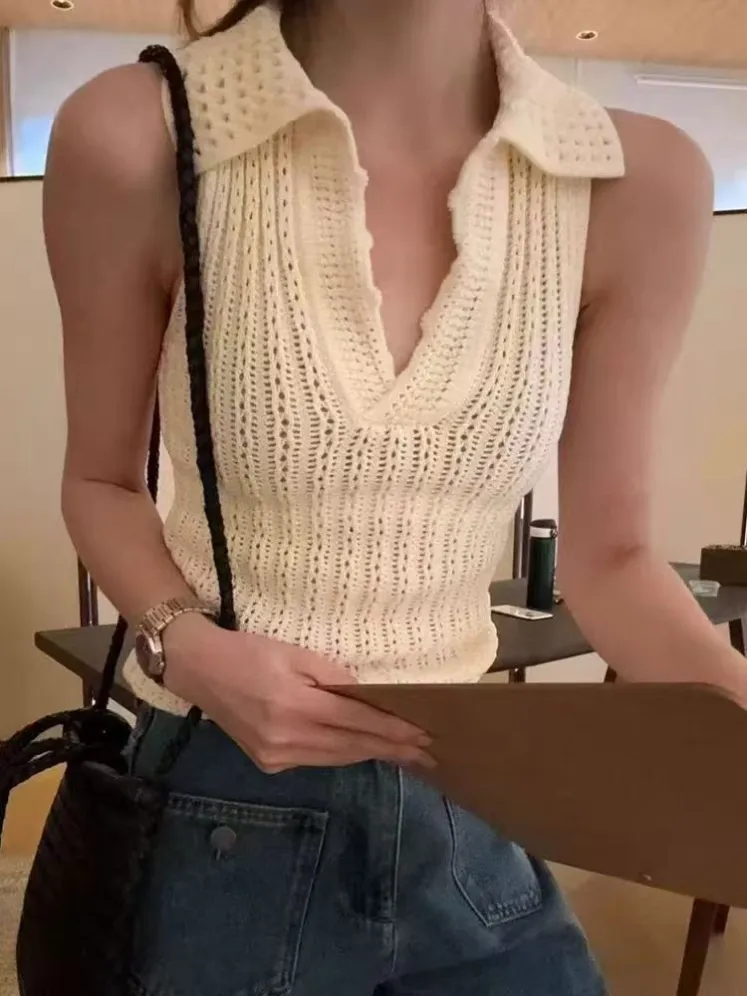
For overseas fashion labels, sourcing custom knitwear and sweaters often presents unexpected hurdles. Unlike standard woven cut-and-sew apparel, knitwear is formed directly from individual yarns into shaped panels. A slight miscalculation in yarn tension or gauge selection can compromise the entire garment's drape, weight, and sizing stability.
By coordinating production directly with specialized knitwear facilities in the Greater Bay Area—notably the world-renowned textile hub in Dalang, Dongguan—we implement a standardized engineering workflow from yarn cone to final linking.
1. Navigating Flat-Knit Machine Gauges (GG)
Selecting the appropriate machine gauge (needles per inch) determines both the structural weight and aesthetic finish of your collection:
- Chunky Knits (3GG – 5GG): Ideal for heavy winter pullovers, textured cardigans, and oversized cable-knit pieces. These utilize thick plied yarns and require careful tension adjustment to prevent loose sagging over time.
- Mid-Gauge Essentials (7GG – 9GG): The industry standard for versatile autumn/spring sweaters, offering clean stitch definition and moderate warmth.
- Fine & Extra-Fine Knits (12GG – 14GG): Used for lightweight luxury layering, fine merino wool, and fitted cotton blends. Fine gauges require high-precision automated flat-bed knitting machines to ensure uniform surface density.
2. Panel Linking vs. Cut-and-Sew Assembly
The method used to join knitted panels defines the garment's longevity and comfort:
- Fully Fashioned Linking: True high-end knitwear features panels knitted precisely to shape with selvedge edges. Skilled technicians loop individual stitches onto circular linking machines. This produces flat, flexible seams with zero excess bulk inside armholes and collars.
- Cut-and-Sew Knits: Lower-cost alternatives knit continuous fabric rolls and cut patterns with an overlock seam. While faster, this increases seam stiffness and yarn unraveling risks. We prioritize fully fashioned linking across our OEM/ODM programs.
3. Pilling Resistance and Dimensional Shrinkage Control
Natural animal fibers (cashmere, merino) and blended yarns are inherently prone to friction wear:
- Martindale Abrasion & Pilling Tests: Prior to bulk knitting, sample panels undergo standardized mechanical rubbing tests to verify a minimum Grade 3–4 pilling resistance rating.
- Pre-Shrinking & Steaming: Knitted panels are washed and steam-relaxed on calibrated drying frames. This locks in dimensional stability, ensuring that domestic washing complies with Japanese JIS shrinkage standards (under 3%).
Operating from our technical hub in Shenzhen, we oversee on-site yarn testing, fit iterations, and inline finishing across Guangdong’s leading knit clusters, delivering boutique-grade sweaters without production variance.