Sep 18, 2026Quality Control & Standards
Preventing Mold Bloom on Leather Goods During Ocean Transit: The 3 Critical Checkpoints
Discover how top OEM/ODM leather goods manufacturers prevent mold bloom and container rain during ocean freight through pinless moisture testing and vapor chips.
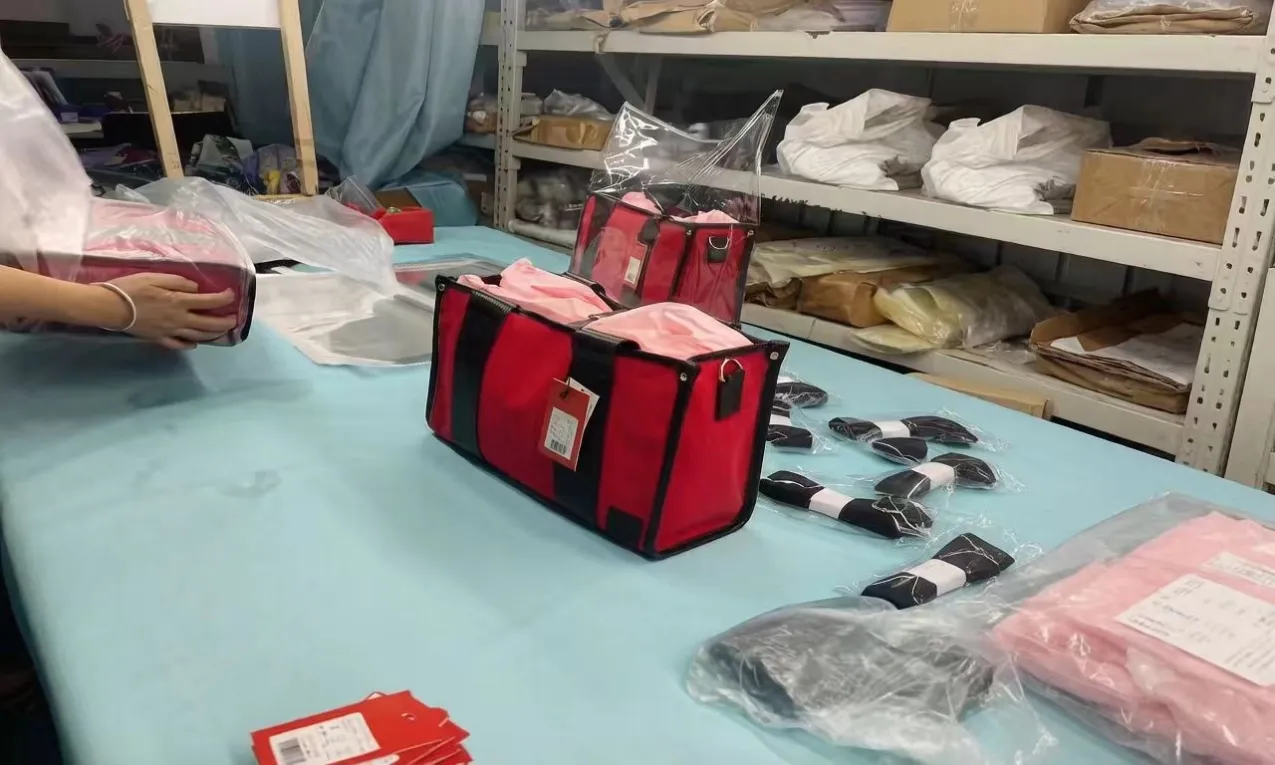
The cleanest production run can be completely ruined inside a 40-foot shipping container. An OEM leather goods factory can execute flawless skiving, perfect edge paint, and immaculate stitch density. Yet, if moisture control is treated as an afterthought, weeks of high-precision manufacturing can end in catastrophic mold bloom during maritime transit.
Swings in Cross-border freight expose finished leather goods to extreme relative humidity (RH) and temperature—from humid subtropical ports in South China to freezing open-ocean nights. This volatility triggers container rain (interior condensation pooling on container ceilings and cargo), putting high-end bulk shipments at direct risk of irreversible fungal damage.
To safeguard luxury leather goods during transpacific and international sea transit, strict environmental control must happen before container doors are sealed.
1. Internal Leather Moisture Threshold (< 14%)
Raw hides, vegetable-tanned leathers, and bonded reinforcements naturally absorb ambient workshop humidity. Testing the ambient room is not enough; the core material itself must be measured.
- Protocol: Before final polybagging, panels are inspected using a calibrated, non-destructive pinless moisture meter.
- Standard: Any production lot registering above 14% internal water content must cycle through a climate-controlled dehumidification curing room.
- Risk Avoided: Sealing leather with elevated moisture feeds dormant fungal spores the moment container temperatures fluctuate.
2. Microbial-Inhibiting Anti-Mold Chips vs. Standard Silica Gel
Many sourcing managers rely on standard silica gel packets, but silica operates through passive absorption and saturates rapidly in maritime relative humidity.
- Active Vapor Protection: Export-grade packing requires slow-release anti-mold chips (utilizing essential-oil-derived volatile vapor barriers).
- Micro-Climate Defense: Rather than merely trying to draw ambient water into a gel pouch, these chips continually diffuse active fungal inhibitors inside the primary polybag for 60+ days.
- Longevity: This sustained active barrier protects the grain and lining throughout the entire transit window, including customs dwell time at destination ports.
3. Breathable Packaging vs. Airtight Polybags
Trapping leather inside non-breathable, sealed plastic causes localized sweating when the container warms, resulting in condensation pooling directly on the top grain.
- Breathable Dust Covers: Finished goods should be packed in breathable, non-woven fabric dust bags rather than hermetically sealed vinyl.
- Secondary Desiccants: Pair individual anti-mold chips inside the dust bag with high-absorption calcium chloride desiccant poles installed along the corrugated master carton walls.
- Result: Materials equalize naturally across climate shifts without surface moisture pooling or leather finishing discoloration.
End-to-End Quality Assurance for Global Brands
True contract manufacturing quality control does not end at the packing table. It guarantees delivery integrity straight to your domestic distribution center dock.
Planning your next transpacific production run? Contact our technical manufacturing team to review our ocean freight packing specifications, moisture testing data logs, and OEM/ODM leather goods capabilities.