Sep 18, 2026Quality Control & Standards
How Japanese Department Store Standards Define Bag Quality Control in China
Discover how enforcing Japanese retail inspection standards in Greater Bay Area manufacturing prevents stitching failures, hardware corrosion, and packaging defects before export.
For international designer labels producing bags and leather goods in China, the greatest challenge is rarely finding a factory; it is bridging the gap between sample approval and mass production consistency. While standard AQL 2.5 benchmarks serve basic compliance, luxury department stores—particularly in Japan—demand a defect-prevention framework that catches structural flaws long before goods reach a container ship.
1. Structural Seam and Tension Load Auditing
In high-end leather bag manufacturing, edge-paint cracking and strap tearing represent the most frequent post-sale failure points. Under Japanese department store protocols, quality control begins with raw pull-force testing:
- Strap Anchor Load Tests: Handles and shoulder strap attachment points are subjected to cyclic load-bearing tests (15–25 kg depending on silhouette) to verify reinforced bar-tacking and structural nylon webbing backings.
- Saddle Stitch Consistency: Stitch density must maintain an exact 7–8 stitches per inch without loose thread ends, tension puckering, or irregular thread tension across corner transitions.
2. Hardware Plating & Salt-Spray Resistance
Hardware wear is a direct indicator of manufacturing rigor. Standard decorative electroplating often begins tarnishing after minimal humidity exposure during ocean freight.
- We enforce a mandatory 48-hour neutral salt-spray (NSS) test on all custom zinc-alloy and brass components.
- Dual-layer electrophoretic or PVD coatings are verified for nickel-release compliance and scratch resistance, ensuring zip pullers, magnetic snaps, and turn-locks preserve their finish through daily use.
3. Humidity Control & Mold Prevention in the Greater Bay Area
Manufacturing in Southern China requires specialized handling of environmental humidity. Raw hides and finished bags stored in non-conditioned environments risk micro-fungal growth during monsoon seasons.
- Finished bags undergo dedicated moisture-content testing (maintaining leather moisture between 12% and 14%).
- Dedicated dehumidification drying tunnels and anti-mold micro-stickers are applied during packaging to protect full-grain goods throughout global transit.
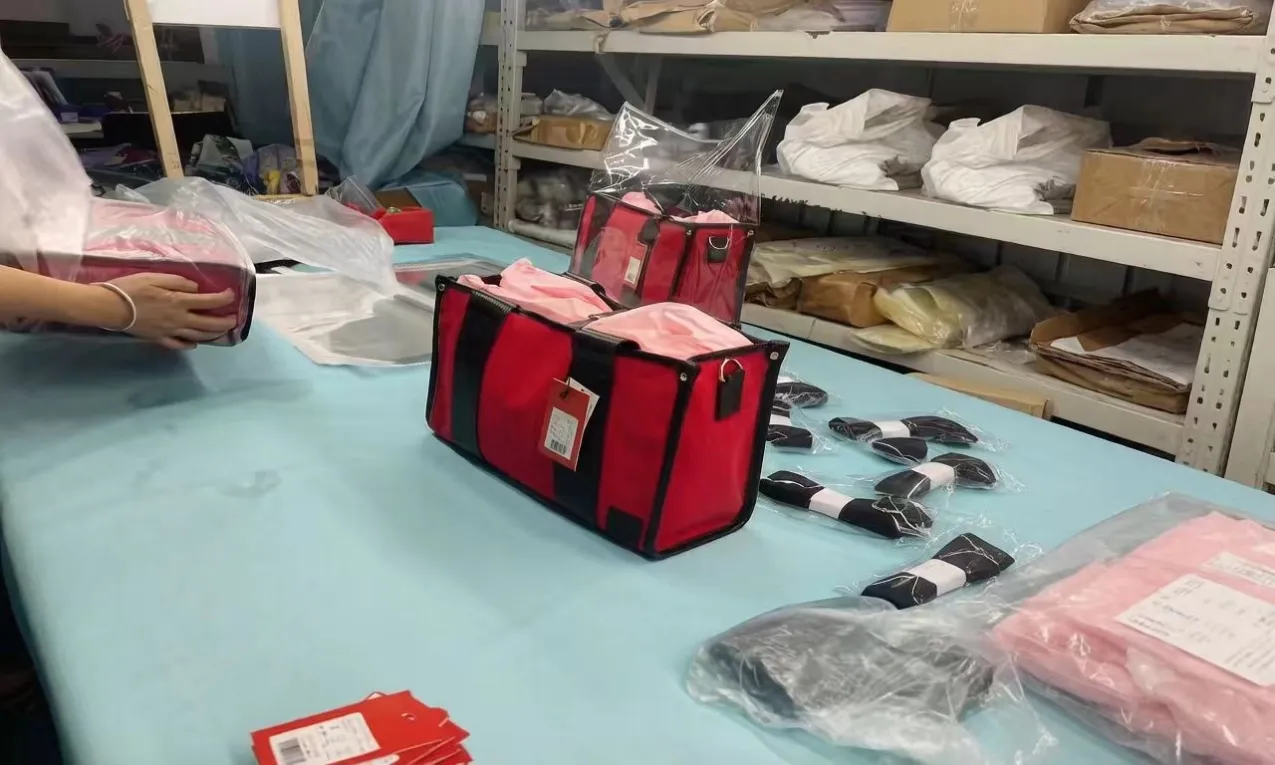
Operating from our technical coordination hub in Shenzhen, we implement on-site inline inspections and 100% pre-shipment quality audits, ensuring your custom leather bag collections arrive ready for tier-one retail shelves.