Sep 18, 2026Manufacturing Insights
Custom Hardware Tooling & Anti-Tarnish Jewelry Manufacturing: A Buyer’s Guide
A technical guide to zinc-alloy die-casting, CNC mold opening, multi-layer PVD plating, and natural freshwater pearl selection for modern accessory labels.
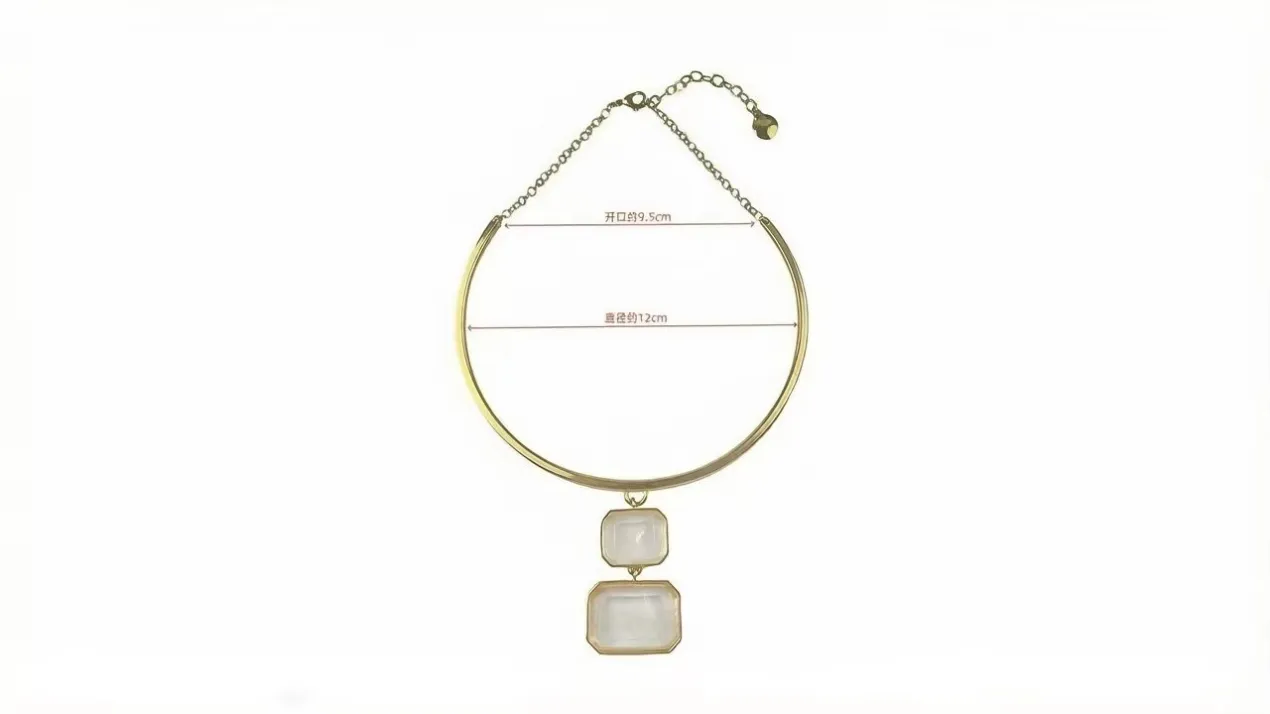
In contemporary fashion accessories and luxury handbags, custom metallic components serve as signature branding elements. However, many independent labels encounter steep challenges when developing bespoke metal hardware or fashion jewelry: brittle alloys, peeling plating, or excessively high mold tooling costs.
Understanding the engineering workflow behind hardware tooling and anti-tarnish manufacturing is key to scaling an accessory collection with reliable margins.
1. Precision Tooling: From CAD Drawings to Alloy Die-Casting
Transforming a 2D sketch into a durable metal component requires rigorous Design for Manufacturability (DFM) analysis:
- Tooling & Mold Development: Machining steel molds are precisionusingchined via high-speed CNC to capture intricate logos, chamfers, and locking mechanisms.
- Material Selection: High-grade #3 zinc alloy (Zamak 3) is utilized for high-tensile bag locks and structural buckles due to its dimensional stability and fine surface finish. Solid brass is reserved for artisanal jewelry pieces and high-wear components.
- Hand-Finishing: After casting, parts are mechanically deburred and hand-buffed to eliminate parting lines before entering the electroplating line.
2. Multi-Layer Anti-Tarnish Coating & PVD Technology
Jewelry pieces and decorative hardware must withstand sweat, skin friction, and atmospheric moisture:
- Physical Vapor Deposition (PVD): For stainless steel jewelry and premium hardware, vacuum PVD coating provides an ultra-durable titanium nitride or real 18K gold layer that lasts up to 5 times longer than conventional wet plating.
- E-Coating (Electrophoretic Lacquer): For cast brass and zinc alloys, a clear, micro-thin cathodic acrylic layer is thermally baked over the metal to seal out oxidation and prevent skin discoloration.
3. Graded Freshwater Pearls and Stone Integration
For contemporary jewelry lines combining cast metals with natural organic materials:
- We source freshwater pearls directly from certified cultivation regions, sorting by luster, shape symmetry (baroque vs. round), and skin purity.
- Pearl drilling, mounting pins, and tension clasps are engineered to eliminate glue failure, ensuring structural longevity.
By consolidating precision mold tooling, certified alloy casting, and rigorous compliance testing in Southern China's accessory manufacturing ecosystem, we help brands launch bespoke hardware and jewelry without sacrificing durability.