Sep 20, 2026Material & Hardware Engineering
Heavy-Duty Canvas Tote Bag Manufacturing: Reinforcement, Custom Hardware, and Eco-Materials
Practical engineering insights on 16oz–20oz organic cotton canvas, load-bearing cross-tacking, anti-corrosion brass rivets, and custom branding for modern tote bags.
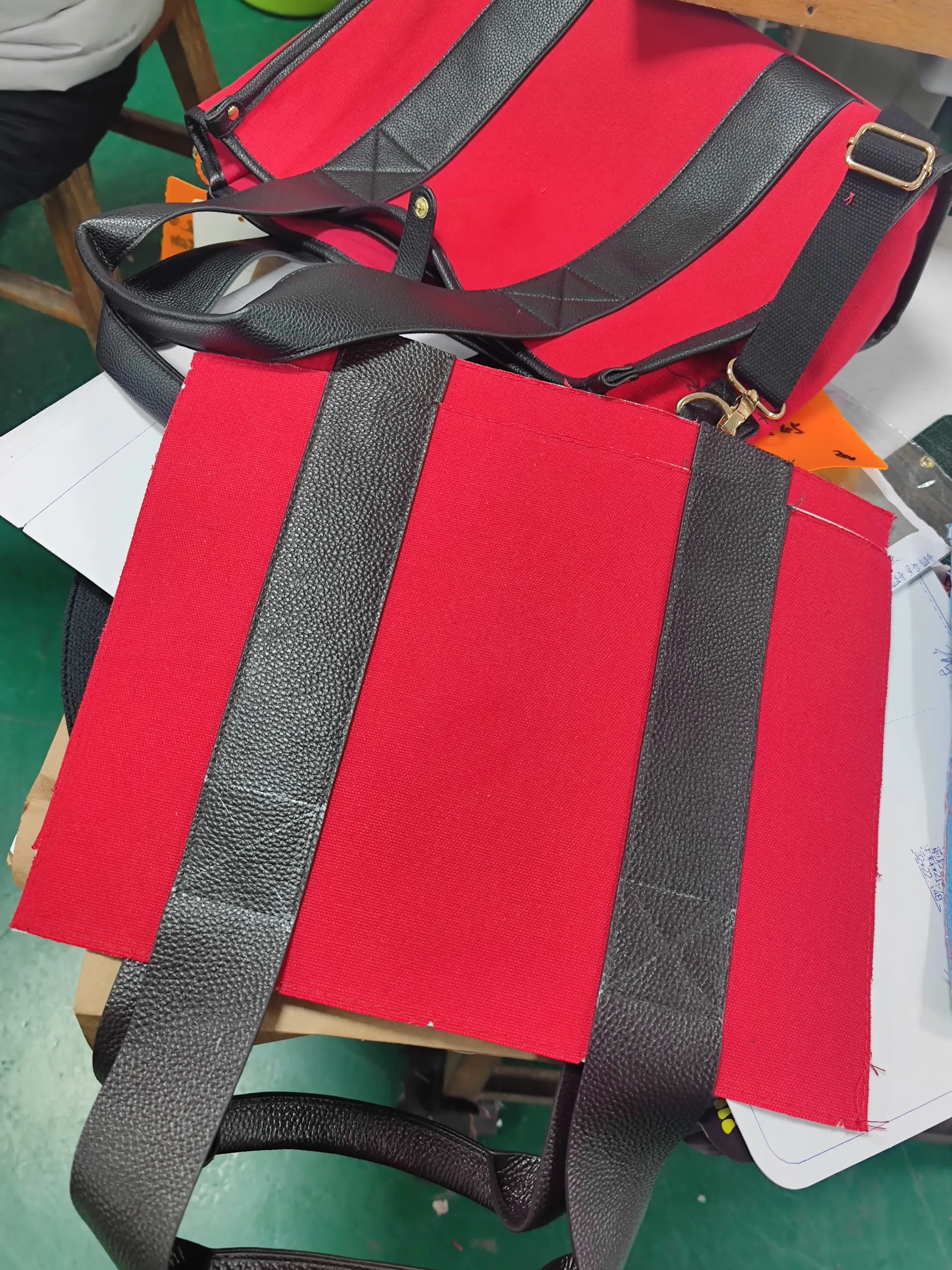
The canvas tote has evolved from a promotional giveaway into a permanent, structured category for premium lifestyle and outdoor brands. However, transitioning from a basic lightweight bag to an engineered, long-lasting tote bag requires specific manufacturing interventions—particularly around stress point reinforcement, canvas ounce ratings, and metal trim durability.
1. Selecting the Right Canvas Density
Standard canvas is prone to wrinkling, structural collapse, and dye crocking. Premium manufacturing focuses on specific density thresholds:
- 12oz Washed Duck Canvas: Flexible, soft hand-feel, well-suited for everyday carryall pouches and lightweight packables.
- 16oz – 20oz Heavyweight Canvas: Dense, structured, and capable of standing upright independently. Ideal for weekender totes and work bags requiring rugged tear resistance.
- GRS-Certified Recycled & Organic Cottons: Sourced with traceable raw material documentation to meet North American and EU sustainability and chemical compliance mandates (REACH / Prop 65).
2. Reinforcing Critical Load-Bearing Stress Points
Handles and base corners endure continuous physical load. Common points of failure include seam separation and rivet tear-outs under weight.
- Box-X Stitching & Nylon Webbing Cores: Top handle straps are never stitched directly onto single-ply canvas. We embed interior structural nylon tape and execute a reinforced Box-X bar-tack pattern capable of supporting 20+ kg pull tension.
- Double-Folded Bound Seams: Interior raw fabric edges are completely sealed with cotton herringbone binding tape, eliminating fraying fibers over years of daily handling.
3. Integrating Leather Accents and Custom Hardware
Combining woven textiles with leather handles or metal clasps requires tight tolerance management:
- Vegetable-Tanned / Microfiber Leather Trims: Leather components must undergo dye-migration testing to verify that oils and pigments will not bleed onto light-colored cotton canvas under humid conditions.
- Solid Brass Rivets and Anti-Rust Snaps: Rather than thin iron parts that rust in sea transit, we utilize solid brass or multi-layer coated zinc-alloy rivets that pass 48-hour neutral salt-spray exposure.
From our coordination center in Shenzhen, we bridge the raw textile markets of Guangdong with precision hardware casting, providing overseas brands with fully audited, retail-ready canvas collections.